
SpringBoot中使用異步方法優(yōu)化Service邏輯,提高接口響應(yīng)速度
來源:blog.csdn.net/weixin_43441509/
article/details/119855613
1. 為什么需要異步方法?
先說結(jié)論: 合理使用異步方法可以讓業(yè)務(wù)接口快到飛起!
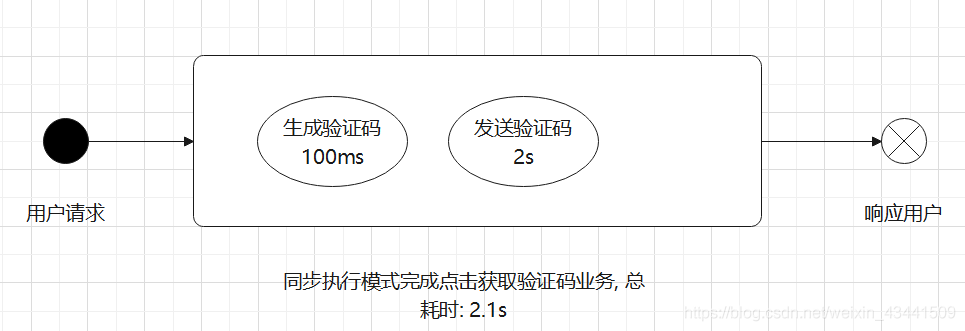
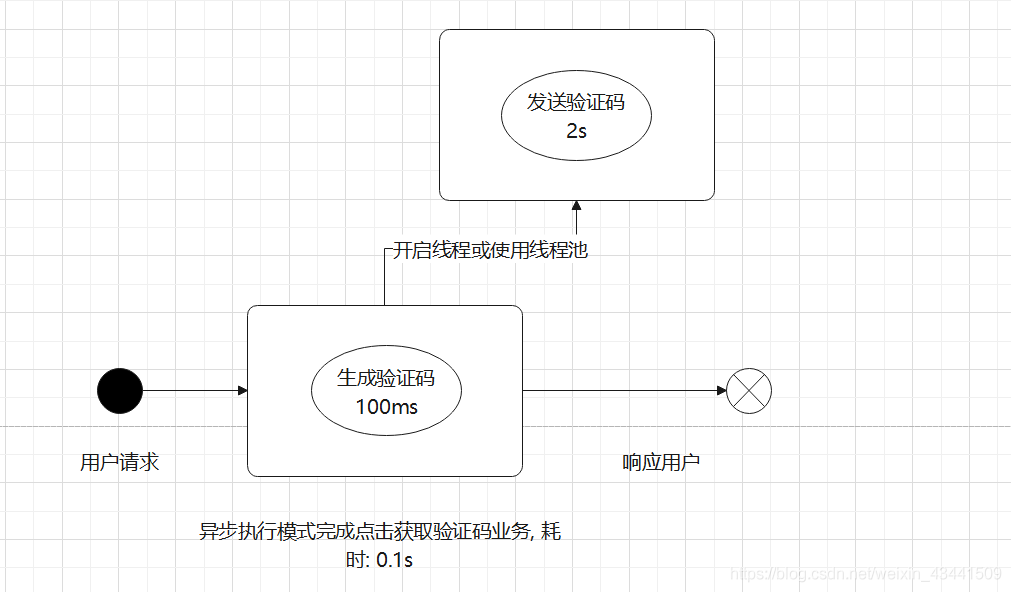
異步方法適用于邏輯與邏輯之間可以相互分割互不影響的業(yè)務(wù)中, 如生成驗證碼和發(fā)送驗證碼組成的業(yè)務(wù), 其實無需等到真正發(fā)送成功驗證碼才對客戶端進行響應(yīng), 可以讓短信發(fā)送這一耗時操作轉(zhuǎn)為異步執(zhí)行, 解耦耗時操作和核心業(yè)務(wù);
同理還有文章閱讀的業(yè)務(wù)邏輯 = 查詢文章詳情 + 更新文章閱讀量后再響應(yīng)客戶端, 其實也無需等到閱讀量更新后才響應(yīng)文章詳情給客戶端, 用戶查看文章是主要邏輯, 而文章閱讀量更新是次要邏輯, 況且閱讀量就算更新失敗一點數(shù)據(jù)偏差也不會影響用戶閱讀因此這兩個數(shù)據(jù)庫操作之間的一致性是較弱的, 這類都能用異步事件去優(yōu)化.
所以說: 恰當(dāng)?shù)脑谖覀兊腟ervice中加入異步方法能大大提高接口的響應(yīng)速度, 提升用戶體驗!
同步執(zhí)行(同在一個線程中):
異步執(zhí)行(開啟額外線程來執(zhí)行):
2. SpringBoot中的異步方法支持
其實, 在SpringBoot中并不需要我們自己去創(chuàng)建維護線程或者線程池來異步的執(zhí)行方法, SpringBoot已經(jīng)提供了異步方法支持注解.
@EnableAsync?//?使用異步方法時需要提前開啟(在啟動類上或配置類上)
@Async?//?被async注解修飾的方法由SpringBoot默認線程池(SimpleAsyncTaskExecutor)執(zhí)行
比如使用Spring的異步支持實現(xiàn)文章查詢并增加閱讀量
Service層:
@Service
public?class?ArticleServiceImpl?{

????//?查詢文章
????public?String?selectArticle()?{
????????//?TODO?模擬文章查詢操作
????????System.out.println("查詢?nèi)蝿?wù)線程"+Thread.currentThread().getName());
????????return?"文章詳情";
????}

????//?文章閱讀量+1
????@Async
????public?void?updateReadCount()?{
????????//?TODO?模擬耗時操作
????????try?{
????????????Thread.sleep(3000);
????????}?catch?(InterruptedException?e)?{
????????????e.printStackTrace();
????????}
????????System.out.println("更新任務(wù)線程"+Thread.currentThread().getName());
????}
}
Controller層:
@RestController
public?class?AsyncTestController?{

????@Autowired
????private?ArticleServiceImpl?articleService;

????/**
?????*?模擬獲取文章后閱讀量+1
?????*/
????@PostMapping("/article")
????public?String?getArticle()?{
????????//?查詢文章
????????String?article?=?articleService.selectArticle();
????????//?閱讀量+1
????????articleService.updateReadCount();
????????System.out.println("文章閱讀業(yè)務(wù)執(zhí)行完畢");
????????return?article;
????}

}
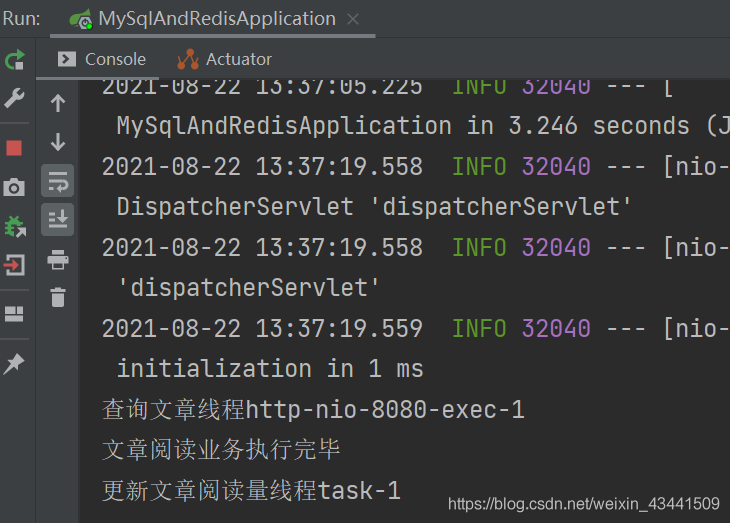
測試結(jié)果: 我們可以感受到接口響應(yīng)速度大大提升, 而且從日志中key看到兩個執(zhí)行任務(wù)是在不同的線程中執(zhí)行的
3. 自定義線程池執(zhí)行異步方法
SpringBoot為我們默認提供了線程池(SimpleAsyncTaskExecutor)來執(zhí)行我們的異步方法, 我們也可以自定義自己的線程池.
第一步配置自定義線程池
@EnableAsync?//?開啟多線程,?項目啟動時自動創(chuàng)建
@Configuration
public?class?AsyncConfig?{
????@Bean("customExecutor")
????public?ThreadPoolTaskExecutor?asyncOperationExecutor()?{
????????ThreadPoolTaskExecutor?executor?=?new?ThreadPoolTaskExecutor();
????????//?設(shè)置核心線程數(shù)
????????executor.setCorePoolSize(8);
????????//?設(shè)置最大線程數(shù)
????????executor.setMaxPoolSize(20);
????????//?設(shè)置隊列大小
????????executor.setQueueCapacity(Integer.MAX_VALUE);
????????//?設(shè)置線程活躍時間(秒)
????????executor.setKeepAliveSeconds(60);
????????//?設(shè)置線程名前綴+分組名稱
????????executor.setThreadNamePrefix("AsyncOperationThread-");
????????executor.setThreadGroupName("AsyncOperationGroup");
????????//?所有任務(wù)結(jié)束后關(guān)閉線程池
????????executor.setWaitForTasksToCompleteOnShutdown(true);
????????//?初始化
????????executor.initialize();
????????return?executor;
????}
}
第二步, 在@Async注解上指定執(zhí)行的線程池即可
//?文章閱讀量+1
@Async("customExecutor")
public?void?updateReadCount()?{
????//?TODO?模擬耗時操作
????try?{
????????Thread.sleep(3000);
????}?catch?(InterruptedException?e)?{
????????e.printStackTrace();
????}
????System.out.println("更新文章閱讀量線程"+Thread.currentThread().getName());
}
5. 如何捕獲(無返回值的)異步方法中的異常
以實現(xiàn)AsyncConfigurer接口的getAsyncExecutor方法和getAsyncUncaughtExceptionHandler方法改造配置類
自定義異常處理類CustomAsyncExceptionHandler
@EnableAsync?//?開啟多線程,?項目啟動時自動創(chuàng)建
@Configuration
public?class?AsyncConfig?implements?AsyncConfigurer?{
????@Override
????public?Executor?getAsyncExecutor()?{
????????ThreadPoolTaskExecutor?executor?=?new?ThreadPoolTaskExecutor();
????????//?設(shè)置核心線程數(shù)
????????executor.setCorePoolSize(8);
????????//?設(shè)置最大線程數(shù)
????????executor.setMaxPoolSize(20);
????????//?設(shè)置隊列大小
????????executor.setQueueCapacity(Integer.MAX_VALUE);
????????//?設(shè)置線程活躍時間(秒)
????????executor.setKeepAliveSeconds(60);
????????//?設(shè)置線程名前綴+分組名稱
????????executor.setThreadNamePrefix("AsyncOperationThread-");
????????executor.setThreadGroupName("AsyncOperationGroup");
????????//?所有任務(wù)結(jié)束后關(guān)閉線程池
????????executor.setWaitForTasksToCompleteOnShutdown(true);
????????//?初始化
????????executor.initialize();
????????return?executor;
????}

????@Override
????public?AsyncUncaughtExceptionHandler?getAsyncUncaughtExceptionHandler()?{
????????return?new?CustomAsyncExceptionHandler();
????}
}
public?class?CustomAsyncExceptionHandler?implements?AsyncUncaughtExceptionHandler?{
?
????@Override
????public?void?handleUncaughtException(Throwable?throwable,?Method?method,?Object...?obj)?{
????????System.out.println("異常捕獲---------------------------------");
????????System.out.println("Exception?message?-?"?+?throwable.getMessage());
????????System.out.println("Method?name?-?"?+?method.getName());
????????for?(Object?param?:?obj)?{
????????????System.out.println("Parameter?value?-?"?+?param);
????????}
????????System.out.println("異常捕獲---------------------------------");
????}
?????
}
5. 如何獲取(有返回值)異步方法的返回值
使用Future類及其子類來接收異步方法返回值
注意:
無返回值的異步方法拋出異常不會影響Controller的主要業(yè)務(wù)邏輯 有返回值的異步方法拋出異常會影響Controller的主要業(yè)務(wù)邏輯
//?異步方法---------------------------------------------------------------------
@Async
????public?CompletableFuture?updateReadCountHasResult()? {
????????//?TODO?模擬耗時操作
????????try?{
????????????Thread.sleep(3000);
????????}?catch?(InterruptedException?e)?{
????????????e.printStackTrace();
????????}
????????System.out.println("更新文章閱讀量線程"+Thread.currentThread().getName());
????????return?CompletableFuture.completedFuture(100?+?1);
????}
//?Controller調(diào)用---------------------------------------------------------------------
@GetMapping("/article")
public?String?getArticle()?throws?ExecutionException,?InterruptedException?{
????//?查詢文章
????String?article?=?articleService.selectArticle();
????//?閱讀量+1
????CompletableFuture?future?=?articleService.updateReadCountHasResult();
????int?count?=?0;
????//?循環(huán)等待異步請求結(jié)果
????while?(true)?{
????????if(future.isCancelled())?{
????????????System.out.println("異步任務(wù)取消");
????????????break;
????????}
????????if?(future.isDone())?{
????????????count?=?future.get();
????????????System.out.println(count);
????????????break;
????????}
????}
????System.out.println("文章閱讀業(yè)務(wù)執(zhí)行完畢");
????return?article?+?count;
}
6. 異步方法帶來的問題/拓展
異步方法只能聲明在Service方法中在Controller直接調(diào)用才會生效, 異步方法被同級Service方法調(diào)用不會生效, 很奇怪? 異步方法 + 事務(wù)能順利執(zhí)行嗎? 或許事務(wù)操作應(yīng)該和異步操作分離開, 被Controller層調(diào)用時事務(wù)操作在前, 異步操作在后 異步方法執(zhí)行失敗后對Controller前半部分的非異步操作無影響, 因此說異步方法在整個業(yè)務(wù)邏輯中不是100%可靠的, 對于強一致性的業(yè)務(wù)來說不適用 還是消息中間件更為強大, RabbitMQ, Kafka…